
Mother’s Day is on 15th March this year (for us Brits, at least) but for our American cousins, it is on 10th May. This may clue you in to why it is always a particularly difficult occasion for the JL team: not only does the date change every year, but these changing dates vary from country to country! So, following on from our last post about Valentine’s Day, we’re taking a look at the history of and traditions surrounding Mother’s Day in the UK and around the world – and why it’s so frustratingly variable.
The Origins of Mothering Sunday
Here in the UK, Mother’s Day has a long history – with much of it not centred on mothers at all! We begin our story with Mothering Sunday, observed on the fourth Sunday in Lent (Laetare Sunday), when people would return to their “mother church” (generally the one in which they were baptised) for a special service. This practice, though we have little evidence prior, was well-established by the mid-16th century – a time when many young people moved away to work as servants or apprentices, and so “going a-mothering” was a much-loved day of the year: in returning to your “spiritual home,” you would naturally return to your childhood home – and, in so doing, visit your mother.
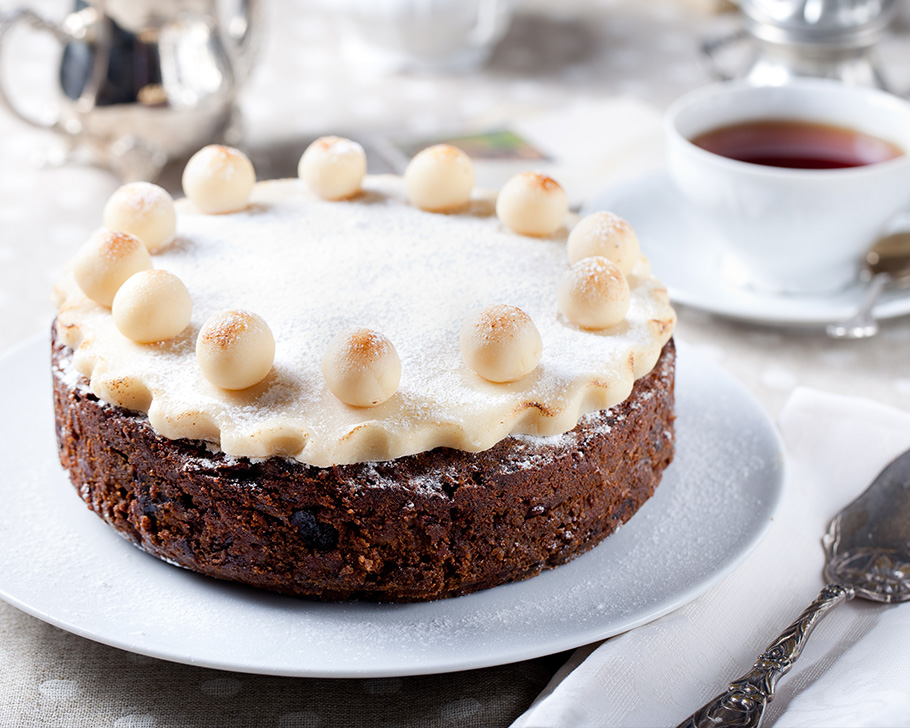
As a result, the event became associated with family reunions and by the 17th–18th centuries, it had become customary for children returning home to bring gifts, such as freshly picked wildflowers (often violets) and sweet buns – particularly “mothering buns”: sweet, lightly spiced buns especially popular in the South-West of England. Simnel cake later came to prominence over mothering buns, especially as a gift from young girls working in service. The traditional Lenten fasting was loosened on Mothering Sunday – sometimes also known as “Refreshment Sunday” – otherwise, giving gifts of food would have been quite cruel!
These gift-giving traditions helped to cement the idea of Mothering Sunday being associated with family and, by extension, mothers. Interestingly, perhaps at least in part due to the religious symbolism associated with the simnel cake, this sweet treat is now traditionally eaten on Easter Sunday instead.
From Decline to Revival
As with so many things, the Industrial Revolution brought the decline of the event. Gone were the days when the majority of young people could easily return home for Mothering Sunday – now, factory work reigned and agricultural work patterns no longer dictated the calendar. It was not until the 1910s that a revival began, starting with a herculean effort from Constance Adelaide Smith, a medicine dispenser in Nottingham and a High Church Anglican. Publishing pamphlets and historical summaries – notably “The Revival of Mothering Sunday” in 1921 – promoting the day in churches and schools and even encouraging (or pressuring!) the clergy to observe the occasion more prominently, she fought to revive Mothering Sunday for over a decade. In doing so, she not only saved the day from effective extinction but also brought it back into practice in force and helped formalise the connection to motherhood.
The American Influence
While Smith was working in the United Kingdom, a woman by the name of Anna Jarvis fought a similar battle in the United States. There was one crucial difference in Jarvis’ campaign, however: it was a campaign for a national day to honour mothers directly, with no connection to Mothering Sunday. American retailers and greeting card publishers quickly saw the potential of the event and backed Jarvis’ efforts, with the result that Woodrow Wilson officially recognised Mother’s Day in 1914, on the second Sunday of May, the Sunday closest to the anniversary of Anna Jarvis’ own mother’s death on 9th May, 1905. Interestingly, Jarvis later opposed the commercialisation of the day – despite welcoming the backing of said commercialisers in her original campaign!
British retailers and card companies soon realised that the resurgence of Mothering Sunday could be marketed in a similar way, increasingly applying the sentiment and marketing of American Mother’s Day to Mothering Sunday over the coming years. With the rapid growth in greeting cards in the period following the First World War, Mother’s Day cards and gifts became ever more popular, and ever more influenced by American customs, culminating in a day that effectively mirrored US Mother’s Day – except on a different date!
The Modern Celebration
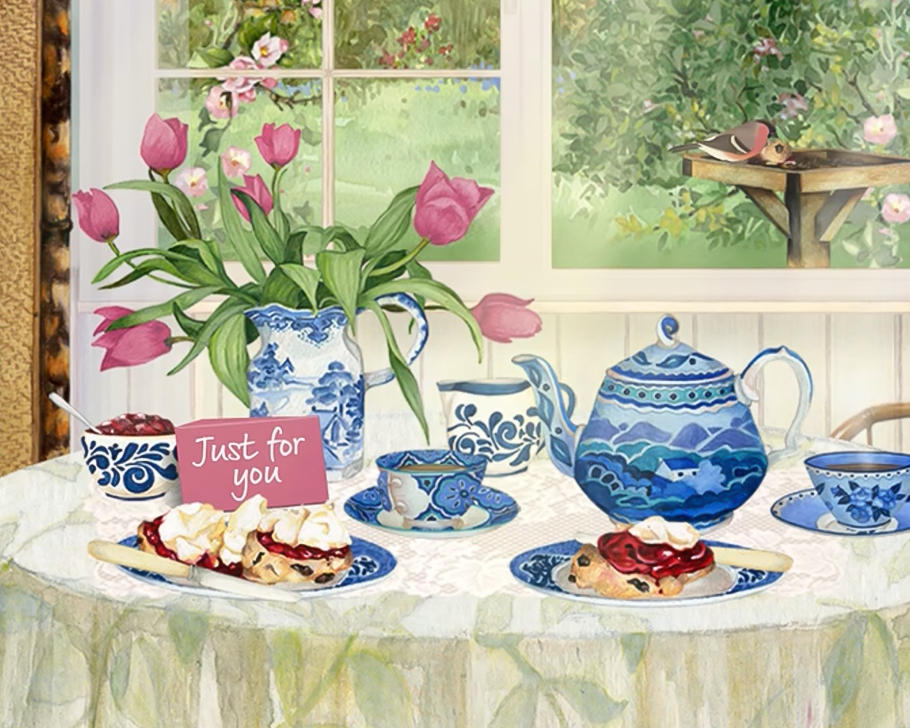
Nowadays, even in the UK, the day is almost always known as “Mother’s Day” and the significance of “Mothering Sunday” has declined to the point that the religious occasion is hardly remembered, let alone observed. Indeed, many of us Brits are unaware that the day is technically called “Mothering Sunday”! Instead, it is generally marked by the sending of cards and flowers – often the early spring blooms – and frequently by young children doing things for their mother that their mother usually does for them. From the morning’s breakfast in bed (after which mum, naturally, has to clear up the uncomfortable crumbs) to doing the dishes (after which mum, naturally, has to clear up the broken glass) – it’s a day of rest and relaxation for mums everywhere!
For many families, however – particularly those with slightly older, marginally more competent children – it is a day which has in some ways returned to its roots: an opportunity to return home and spend time together.
Mother’s Day Around the World
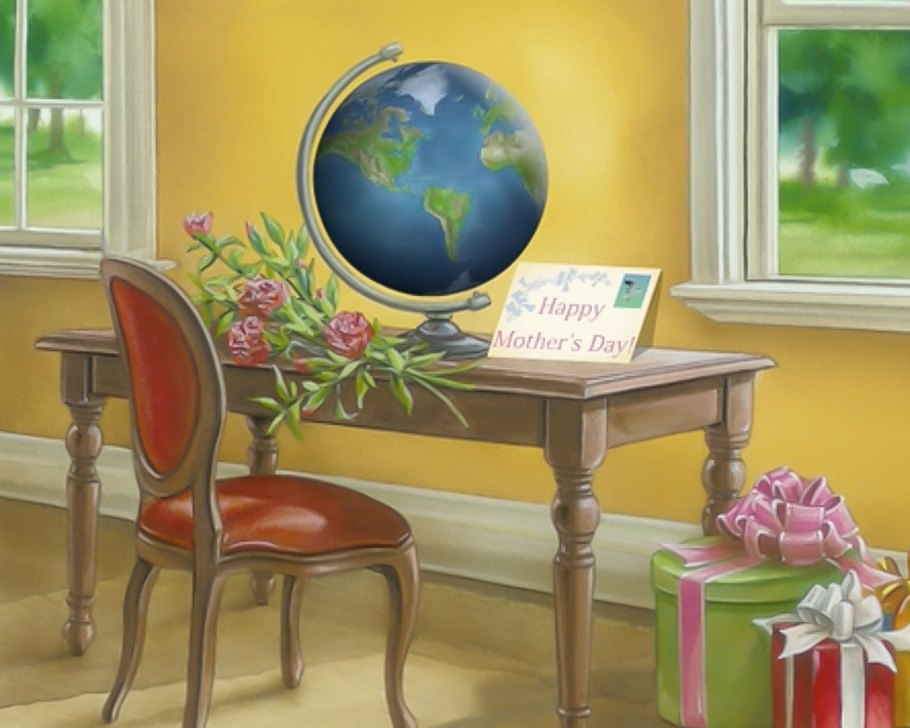
Much of the world followed America’s lead with their Mother’s Days, celebrating on the second Sunday of May, but – most unfortunate for an ecards company like us! – there are over a dozen different dates celebrated around the world, and many of them change every year.
Spain, Portugal, Hungary, Romania and Lithuania celebrate on the first Sunday of May, but Sweden, France, and some of its former colonies, celebrate on the last Sunday of May. In France it also switches to June if the date would otherwise clash with Pentecost.
Ireland and Nigeria celebrate with us on the fourth Sunday of Lent, but from Palestine to Thailand, Luxembourg to Bolivia, some countries just have to be different and have their own day to celebrate that doesn’t coincide with the wider world! And some Eastern European countries even bundle the event with International Women’s Day on 8th March.
In Ethiopia, Mother’s Day isn’t a single day at all – it is part of a multi-day festival called Antrosht, held at the end of the rainy season, where daughters bring vegetables and cheese, and sons bring meat. In Japan, it is celebrated with handmade artwork given from children to their mothers – often portraits of them. In Mexico, a mother may sometimes wake up not to a relaxing breakfast in bed, but to a live mariachi band!
Wherever you are, though, you are bound to have a day especially for mothers and, whether your traditions be sending flowers, cakes or flower-shaped cakes; handmade gifts or loud, raucous partying; you are equally bound to ensure every mother knows just how important they are – even if they sometimes have to sort out the mess afterwards!